
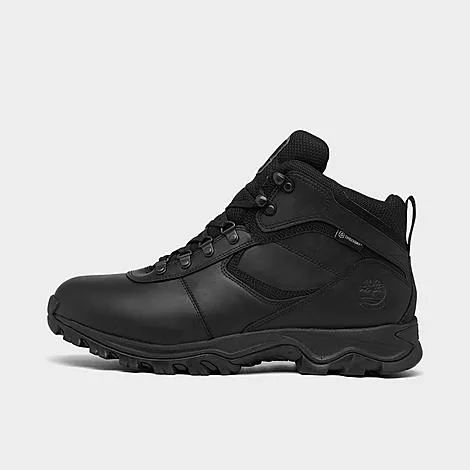
Timberland Mt. Maddsen Mid Waterproof Review
We may earn a commission from some links on this page.
The Timberland Mt. Maddsen Mid Waterproof is a men's waterproof hiking boot made to cover the ankle without the bulk of a backpacking boot. It is the kind of boot you put on for a wet trail, a muddy path or a rainy walk into town, and it comes down to two things: whether the waterproofing holds up and whether the fit is right. This review goes through what the boot is built to do, how the mid cut and the waterproof upper change the way it wears, what to check before you order a size, and how to look after the pair so the waterproofing keeps working.
Table of Contents
Key Takeaways
- The Mt. Maddsen Mid Waterproof is a men's mid-height hiking boot with a waterproof build.
- The mid collar covers the ankle, so it keeps grit and mud out without the weight of a tall boot.
- Waterproofing handles rain, wet grass and mud, but the boot still needs cleaning and re-proofing to keep it working.
- Fit is the part to get right: order from the shop's own size guide and try the boot with the socks you walk in.
- It is a walking boot first, so it suits day hikes, dog walks and wet commutes more than rough mountain routes.
What the Mt. Maddsen Mid Waterproof Is
The name is the summary. The Mt. Maddsen is a mid-height hiking boot with a waterproof build, made for men and sold in US sizes. Mid means the collar comes up over the ankle, which is the height most walkers settle on for a day out: it keeps stones and low scrub out of the boot and gives the ankle a little more cover than a low shoe, without the stiffness of a tall mountaineering boot.
In black it is a plain-looking boot, and that is the point. There is no heavy styling to date it, so it works as a walking boot on a trail and as a wet-weather everyday boot on a pavement. The fit is the part worth getting right, and that matters more on a boot than on a trainer.
It is a walking boot first. It is built for paths, trails, parks and wet streets, not for scrambling or anything where you would want a stiff sole and a crampon welt. Treat it as a comfortable boot for wet, mixed ground and it does the job it is named for.
Waterproofing and the Mid Cut
Waterproof in the name means the boot is built to keep water out. That is the main thing the label promises, and it is why the boot is aimed at wet walks and muddy ground rather than at hot weather. A waterproof boot is still warmer and less airy than an open mesh trail shoe, so treat it as a wet-weather pair rather than an all-year one.
The mid cut is the other half of the design. Ankle coverage keeps grit, mud and low scrub out of the boot, and it holds the heel a little more firmly than a low shoe, which helps on uneven ground. What it does not do is support the ankle the way a tall boot does, so do not read the collar as ankle protection on rough terrain.
The limit of any waterproof hiking boot is standing water. A puddle, wet grass, mud and rain are what it is for; a stream crossing deep enough to come over the collar is not. Waterproofing also depends on care. Mud and dust clog the upper and stop it shedding water, so the boot needs brushing and re-proofing through the season rather than once at the start of it.
Detailed Features
The features that matter here are simple, and they all follow from the boot's job.
| Feature | What it means for you |
|---|---|
| Build | A waterproof mid-height hiking boot |
| Cut | Mid collar that covers the ankle and keeps grit out |
| Fit | Check the listing for the size chart; fit matters more than length alone |
| Colour | Black, so mud and scuffs show less than on a light boot |
| Use | Day hikes, wet paths, muddy walks and wet-weather everyday wear |
| Care | Brush off mud, wash with mild soap, air dry away from heat and re-proof |
None of that is complicated, and that is the appeal. There is no zip to jam and no gaiter to lose; it is an upper, a sole and a lace, which is what you want in a boot that will spend its life wet and dirty.
Advantages and Disadvantages
The advantages start with the waterproof build. A boot like this means one pair covers a wet commute, a muddy dog walk and a day on a trail, instead of a trainer for the dry days and something else for the wet ones. The mid collar adds cover without the weight of a tall boot, the fit can be checked around the ankle, and black hides the mud that a pale boot would wear like a badge.
The disadvantages are the other side of the same design. A waterproof boot is warmer and less breathable than a mesh shoe, so it is the wrong choice for hot weather and long fast walks. The waterproofing needs maintenance to stay useful, and a dirty upper stops shedding water. A mid boot is also heavier and less nimble than a low trail shoe, and none of that helps if the fit is wrong, which is the most common reason a hiking boot gets left in the hall.
Fit, Sizing and Care
Order from the shop's own size guide rather than from the size you wear in trainers, because hiking boots are built on a different last. Wear the socks you will walk in when you try them, and check two things: that your toes have room in front when you stand, and that your heel stays down when you lace up and walk. If the heel lifts, the boot is either too long or not laced firmly enough, and either way it will rub on a long walk.
Care is a routine rather than a job. Knock the mud off after a walk, brush the upper when it dries, wash it with mild soap and water when it is properly dirty, and let the boots air dry away from radiators and direct sun. Re-proof the upper as the season goes on, and the waterproofing will keep doing what the name promises.
If the Mt. Maddsen is not quite what you are after, the two boots below are worth a look.
Verdict
The Mt. Maddsen Mid Waterproof is a straightforward boot: waterproof, ankle-high and black, which is exactly what a wet-weather walking boot should be. Buy it for day hikes, muddy paths and rainy everyday wear, check the size carefully and keep it clean, and it will do the job without asking for attention.
Frequently Asked Questions
Is the Mt. Maddsen actually waterproof?
It is sold as a waterproof hiking boot, so it is built to keep rain, wet grass and mud out. Like any waterproof boot, it works best when the upper is kept clean and re-proofed, and it is not made for wading through water deep enough to come over the collar.
Does it need breaking in?
Most hiking boots are easier on the foot after a few short walks, so wear them around the house and on a couple of shorter outings before a long day. If they rub in the same spot twice, the fit is the problem rather than the break-in.
Can I wear it for everyday use?
Yes. In black it is plain enough for a wet commute, the school run or a walk into town, and the waterproof build is more useful on a rainy pavement than a trainer is. It is still a hiking boot, so it looks like one.
How do I clean it?
Brush off dry mud first, then wash the upper with mild soap and water and a soft brush. Rinse the soap away, stuff the boots with paper to hold their shape and let them air dry at room temperature, away from radiators and direct sun. Re-proof them when the water stops beading.
What socks should I wear?
Wool or synthetic hiking socks, not cotton. Cotton holds water against the skin and makes rubbing worse, which is the opposite of what you want in a waterproof boot that already runs warm.