
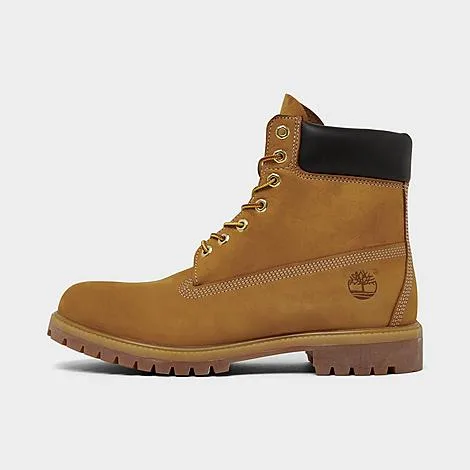
Timberland 6-Inch Premium Waterproof Boot Review
We may earn a commission from some links on this page.
The Timberland 6-Inch Premium Waterproof Boot is the wheat-coloured leather boot that most people picture when they hear the name Timberland. It is a lace-up work boot with a six-inch shaft, a waterproof leather upper and the thick, tooled look that has kept the shape in production for decades. This review goes through what the boot is, who it suits, how the fit works with thick socks, and how to keep a leather pair looking right through wet weather.
Table of Contents
Key Takeaways
- The 6-Inch Premium is Timberland's classic six-inch lace-up boot, built with a waterproof leather upper.
- Wheat is the colour most people mean by a Timberland boot, and the Finish Line listing also carries medium grey and burgundy.
- It is a heavy leather boot made for cold and wet weather rather than for a summer commute.
- The six-inch shaft covers the ankle and takes thick socks well, so the fit is usually decided with those socks on.
- A leather boot lasts longer with a brush and a conditioner; mud and road salt left on the upper do the most damage.
What the 6-Inch Premium Boot Is
The 6-Inch Premium is Timberland's classic work boot shape: a six-inch lace-up with a waterproof leather upper. The "Premium" in the name marks it as the full-leather version of the boot.
That build is the reason the boot is heavy. It is made to stand up to a building site, a winter commute and a wet walk in the same week, and it looks the part: the boot reads as workwear, which is exactly why it also became a street shoe. If you want a boot that disappears under a trouser leg, this is not it. If you want one that makes a plain outfit look deliberate, it is.
If you want more shaft height, the Timberland Waterproof Field Boots are the taller version of the same idea; for a lighter, trainer-style boot, the Nike Manoa Leather Boots are the cheaper choice.
The boot suits a reader who wants one pair for cold, wet weather that will take a beating and still look right with jeans, a parka or a heavy overshirt. It is not the pair for a formal occasion, a summer wedding or a long hike where weight matters.
The Wheat Colourway
Wheat is the colour the boot is known for: a pale tan leather that gives it the classic workwear look. It is also the least forgiving colour, because mud and road salt show up on pale leather straight away. That is the trade for the look.
If you want the same boot without the maintenance, the listing also shows medium grey and burgundy. Grey hides dirt better than wheat and still reads as a work boot; burgundy is the dressier of the three and pairs well with dark denim and navy. All three are the same boot, so the choice is about how much cleaning you want to do and what you already wear.
Whatever the colour, the boot is best worn as the anchor of a plain outfit. Jeans, a heavy shirt and the wheat boot is the classic combination, and it works because the boot is the loudest thing in it.
Detailed Features
These are the parts of the boot that the listing and the maker's name establish:
| Feature | What it is |
|---|---|
| Model | Timberland 6-Inch Premium Waterproof Boot |
| Shaft height | Six inches, covering the ankle |
| Upper | Waterproof leather |
| Closure | Lace-up front |
| Colourways listed | Wheat, medium grey, burgundy |
| Build | Work-boot shape |
The two details that matter most in use are the shaft height and the waterproof upper. The six-inch shaft is what keeps water and cold out around the ankle without the weight of a tall logging boot, and the waterproof leather is what lets the boot handle wet pavements and slush. Both are also the reasons the boot is not a summer shoe.
Fit and Sizing
Boots like this are worn with thick socks, and that is how they should be sized. Start with your normal boot size and try the pair on with the socks you will actually wear in winter, not thin dress socks. If you are between sizes and plan to wear thick socks, going up is the safer choice; the lace-up front will take up the slack across the instep, but it cannot add length.
The heel is the place to check. A structured leather boot should hold the heel firmly with a little slip as you walk, and the slip should settle as the leather softens. If the heel lifts a long way from the start, the boot is too big, and no amount of lacing will fix it.
Width matters with a boot of this build. The upper is stiff, so a foot that is wide across the ball needs room from the first wear rather than hoping the leather will give. Try the pair on late in the day when the foot is at its largest, and walk a few steps on a hard floor to check that the toe does not press.
Waterproofing and Daily Wear
A waterproof leather boot is not a wellington. The leather and its treatment keep rain and puddle splash out, and the sealed build keeps the water from coming through the seams, but the boot is not designed to stand in deep water. For a wet commute, a muddy path and a snowy pavement, that is plenty.
The trade is warmth and weight. The boot is built for cold weather, so it holds heat, and it is heavy enough that you notice it on a long walk. That makes it a winter and shoulder-season shoe rather than something to wear through a hot summer; a lighter trainer or a canvas shoe is the better choice once the weather turns.
Waterproofing also needs upkeep. Dirt and salt block the leather's treatment, and a boot that is never cleaned will start to let water through at the seams before the leather itself is worn out. That is the reason the care routine below matters more than it does on a cheap pair.
Caring for a Leather Boot
A leather boot that is brushed and conditioned a few times a season will outlast one that is worn wet and put away dirty. The routine is short:
- Brush off mud and dust when the boot is dry, working around the seams and the welt.
- Wipe off road salt with a damp cloth and let the leather dry at room temperature, away from a radiator or a fire.
- Condition the leather when it starts to look dry, following the conditioner's own instructions.
- Keep the shape with boot trees or stuffed paper between wears, and never dry a wet pair on a heat source.
The heat rule is the important one. Leather that dries too fast hardens and cracks, and a cracked upper cannot be repaired the way a worn sole can. If the boots are soaked, stuff them with newspaper, leave them in a cool room and give them a day to dry.
Add-ons for a Leather Boot
One thing worth having with a dark leather boot: a black polish, for the scuffs and road salt that collect on the upper. The wheat pair this review covers takes a neutral conditioner rather than a black polish, so check the maker's care advice for that colourway before you treat it.
Advantages and Disadvantages
Advantages
- A waterproof leather boot built for cold and wet weather, so it earns its place in a winter wardrobe.
- The six-inch shaft covers the ankle without the weight of a taller boot.
- The classic work-boot shape works with jeans, heavy trousers and outdoor layers.
- Leather that is looked after can be kept for years, and the boot is repairable rather than disposable.
Disadvantages
- It is heavy and warm, so it is the wrong boot for summer or for a long hike where weight counts.
- Wheat shows mud and salt, so it needs cleaning more often than a dark colourway.
- A stiff leather upper takes a break-in period, and the first week can rub until it softens.
- It is a workwear shape; it will not pass for a formal or a smart-casual shoe.
Frequently Asked Questions
Do These Boots Run True to Size?
Start with your usual boot size and try them on with the thick socks you wear in winter. If you are between sizes and plan to wear heavy socks, go up. Check the heel first: a little slip that settles as the leather softens is normal, a heel that lifts a long way is not.
Are They Actually Waterproof?
The upper is waterproof leather, so rain, puddle splash and wet pavements are what it is built for. It is not a boot for standing in deep water, and the waterproofing needs the leather kept clean and conditioned to keep working at the seams.
How Long Do They Take to Break In?
A stiff leather work boot takes longer than a trainer. Wear them around the house and on short trips first, with the socks you will use, and build up to a full day. If a seam rubs, deal with it before you wear the pair for a long walk.
Can They Be Worn in Summer?
They can, but they are built for cold weather and they hold heat. A lighter shoe is more comfortable once the weather turns warm, and the boot is at its best in autumn, winter and early spring.
How Should I Clean Them?
Brush off dry mud, wipe salt with a damp cloth and let the leather dry at room temperature. Condition it when it looks dry, keep the shape with boot trees and never dry a wet pair on a radiator.
The Timberland 6-Inch Premium is the boot to buy if you want one heavy, waterproof leather pair for cold and wet weather and you like the workwear look. The six-inch shaft, the waterproof upper and the wheat colour are the parts that make it what it is, and the care routine is what keeps it looking right. Pick the colour that matches the clothes you actually wear, size it with winter socks, and give it a brush and a conditioner now and then.