
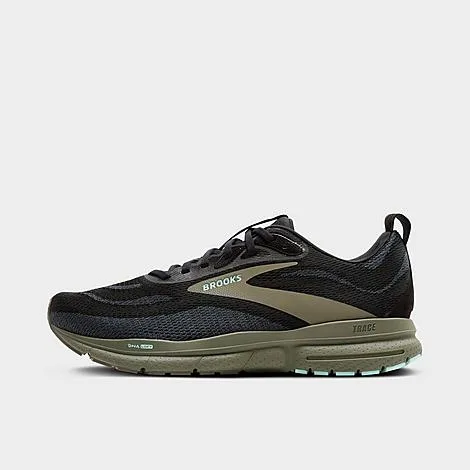
Brooks Trace 4 Review
We may earn a commission from some links on this page.
The Brooks Trace 4 is a men's running shoe designed for everyday pavement miles. It makes sense to consider the Trace 4 if you are putting together a running routine and want a pair you can also wear on the walk home. The most useful details for that choice are what Brooks built into the heel, how it describes the cushioning and which kind of support to expect.
If you've been advised to look for extra support, start with our Brooks Beast GTS 26 review. For this decision, consider support and cushioning separately. The support description tells you what the shoe is designed to do around the foot. The cushioning description tells you what Brooks aims for underfoot. Decide on the support you want before choosing between cushioning options.
Table of Contents
Key Takeaways
- Brooks lists a 12 mm heel-to-toe drop and a weight of 9.3 oz (263.7 g).
- The midsole is DNA LOFT v2 foam, and Brooks rates the cushioning as balanced.
- Segmented Crash Pads in the heel are there to absorb impact as your foot lands.
- The air mesh upper is 57.4% recycled material by weight.
- Brooks recommends it for new runners, road running, everyday runs and walking.
What the Trace Line Is For
Brooks recommends the Trace 4 for new runners, road running, everyday runs and walking. That set of uses fits a routine that mixes running and walking on streets or paved paths. If you are working towards longer continuous runs, think about the session you do now and the one you expect to repeat once you have built up to it. A shoe intended for everyday miles can cover both jobs when the surface stays the same.
If you already have a running shoe, consider what you want a second pair to do. For a backup pair, you might look for the same support category and a similar drop. If you want a pair for a specific event, start with its distance, surface and terrain before you narrow your search. That matters especially if the event takes you onto surfaces you rarely train on.
The Launch 12 is another Brooks model to consider when you are weighing up your options.
Where the Trace 4 Sits in the Range
Within the Brooks range, the Trace 4 is a place to start if you want one shoe for the regular outings in your week. When you compare Brooks models, decide which differences would matter on those outings. A neutral road shoe is a starting point for a runner who usually chooses neutral support. If your current shoe has a stability design you rely on, keep that requirement when you compare models. A cushioning label alone cannot tell you whether a shoe has the support features you are looking for. The two labels describe different parts of the choice, even when the maker uses similar words for both. The Ghost 18 is another Brooks model to consider. If you want to compare support options, see our Brooks Addiction GTS 15 review.
For a comparison across brands, see our Asics Gel Nimbus vs Brooks Glycerin guide. If your shortlist spans brands, compare the stated features directly. Foams have different names, so compare how each maker describes the intended ride. Terms such as soft and responsive can describe the same shoe. Softness describes how much give the design aims for under load, while responsiveness describes how the cushioning reacts as you move through a step.
Detailed Features
Brooks lists these specifications for the men's Trace 4. Finish Line identifies the outsole material. Midsole drop is the difference in height between the heel and forefoot. If you already own a running shoe that works for you, compare its drop with the figure here to see how closely the Trace 4 matches that part of its shape.
| Feature | Specification |
|---|---|
| Midsole drop | 12 mm |
| Weight | 9.3 oz (263.7 g) |
| Midsole foam | DNA LOFT v2 |
| Crash pad | Segmented Crash Pad |
| Support type | Balanced support (Brooks), neutral (Finish Line) |
| Recycled content | 57.4% of the upper by weight |
| Outsole material | Rubber (Finish Line) |
Weight is most useful when the published figures use the same reference. Check whether each brand means a single shoe or a pair before comparing figures across brands. For a choice between shoes with similar intended uses, consider weight together with the amount and kind of cushioning you want. Brooks defines recycled content as the share by weight from materials recycled from pre-consumer or post-consumer sources. Use the upper figure when comparing shoes that report recycled content for that same part of the shoe. A figure for the entire shoe covers a different set of materials, including the sole.
Ride and Fit
Brooks describes the foam as soft, smooth and light, with cushioning that adapts to your stride. If you like softness but still want the foam to respond as you push off, pay attention to how the maker describes both qualities. For someone coming from a shoe with a ride they already like, those descriptions give you a way to compare the intended feel before you try a pair.
The crash pad uses sculpted grooves along the heel and outside edge. Brooks says they help absorb impact and smooth the transition from landing to toe-off. If you land on your heel, that part of the sole is the first to meet the ground, so the shaping there is worth noting when comparing how shoes are designed to roll through a step. A runner who tends to land farther forward can also pay attention to how readily the forefoot bends during a try-on.
Brooks says the secure heel and dynamic forefoot help provide stability. When you try on any running shoe, walk around indoors and notice whether your heel stays in place and whether the upper presses anywhere. Adjust the laces in small steps so you can tell where the upper holds your foot. Pressure at the top of the foot and movement at the heel are two different issues. Check both when you take a few turns indoors. The fit you want holds your heel in place while leaving you comfortable across the top of the foot.
Advantages
Brooks rates the cushioning as balanced, with some response underfoot. That makes the Trace 4 worth considering if you like some give underfoot and want a shoe intended to keep moving smoothly through the next step. For a purchase you will use often, consider how you want the cushioning to feel during your usual outing. A runner who likes the feel of a firm shoe might weigh the description differently from a runner looking for a softer landing.
If you prefer a distinctly plush ride, compare that balance with a shoe built around softness. The support category is also worth weighing if you have been advised to wear a stability shoe. And if you regularly run on loose or uneven trails, put shoes designed for that terrain on your shortlist. The surface you use most often is a better starting point for that choice than the outsole material alone.
Two Brooks alternatives to consider are the Ghost 18 and Launch 12.
Sizing and Care
After a run, let the shoes air out away from direct heat. Take the pair out of your gym bag when you get home so air can circulate around them. If they are damp, loosen the laces and open the tongue while they dry.
To clean the upper, use a soft brush and mild soap. Remove loose grime first, then spot-clean the areas that need it. Wipe away any soap afterwards and let the shoes air-dry before you put them away. Give the outsole a look too, especially after running on grit or wet pavement. Brush off loose dirt and clear any small stones lodged in the grooves before your next run.
Frequently Asked Questions
What is the Trace 4 heel-to-toe drop?
Brooks lists a 12 mm heel-to-toe drop. That is the difference in height between the heel and the forefoot.
How much does the men's Trace 4 weigh?
Brooks lists the men's Trace 4 at 9.3 oz (263.7 g).
What does Brooks recommend the Trace 4 for?
Brooks recommends it for new runners, road running, everyday runs and walking. That makes it an option if you alternate between running and walking on pavement.
What cushioning does the Trace 4 use?
The Trace 4 uses DNA LOFT v2 foam. Brooks describes it as soft, smooth and light, with cushioning that adapts to your stride.
How much of the Trace 4 upper is recycled material?
Brooks says recycled materials make up 57.4% of the upper by weight. That figure includes materials recycled from both pre-consumer and post-consumer sources.