
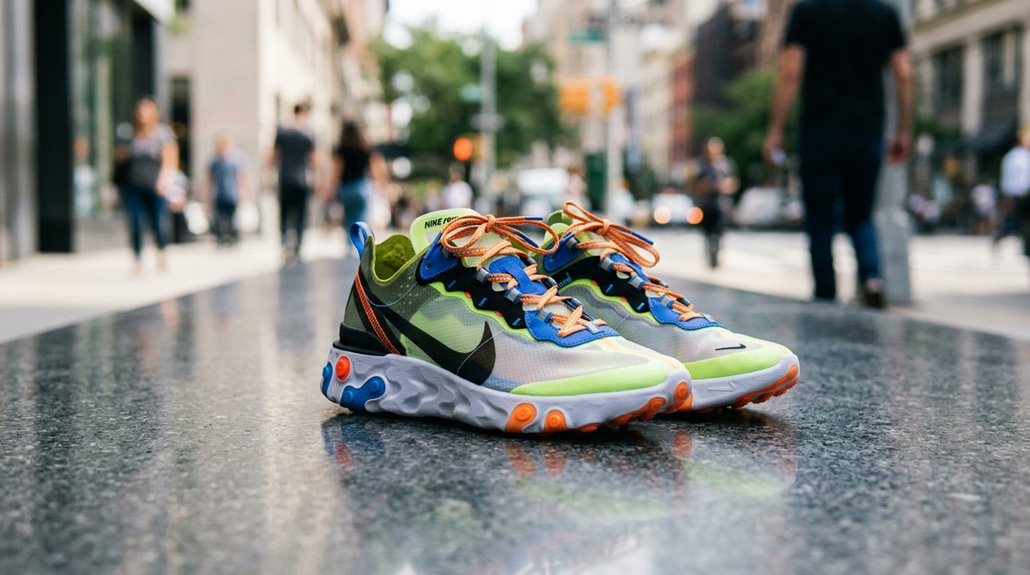
A sneaker photoshoot can be eye-catching by mixing dynamic angles with movement—shoot from low or elevated positions while capturing runners mid-stride or skaters in motion, using fast shutters to freeze action or blur for energy. Close-ups reveal textures and materials with soft lighting, emphasizing details like logos or stitching. On-foot shots set in real settings show fit and lifestyle energy, while creative props or reflections add flair. Mastering lighting and composition enhances every shot, and exploring these ideas will unlock even more creative possibilities.
1. Incorporate Dynamic Angles to Capture Movement and Style
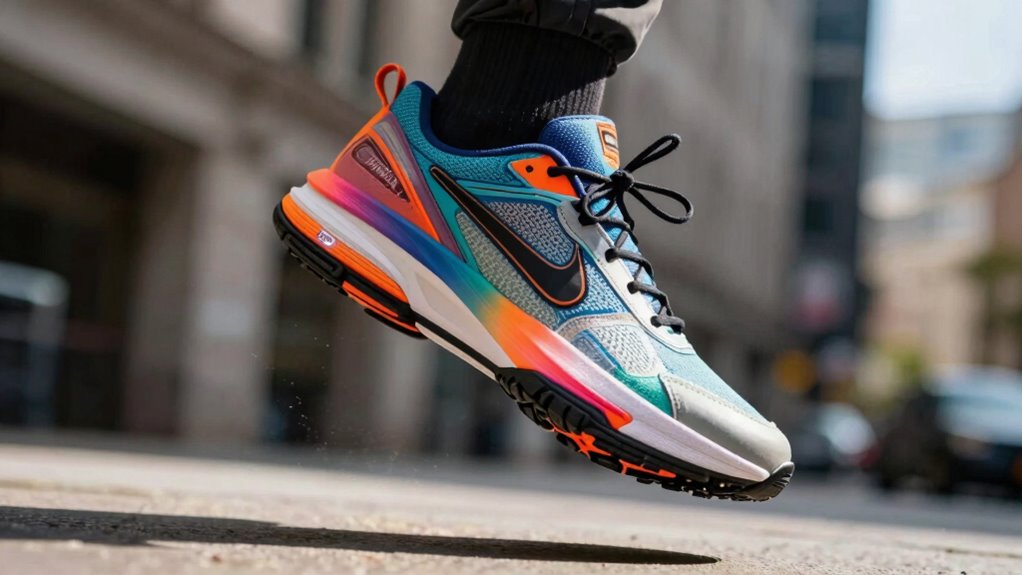
Have you ever wondered how to make sneaker photos pop with energy and style? Incorporating dynamic angles is key to capturing movement and mood in sneaker photography. Shooting from around 25 to 70 degrees—using parallel or slightly above or below positions—helps avoid amateur results while emphasizing action.
Combining these angles with motion cues, like a runner mid-stride or skateboarder in motion, adds excitement. Using controlled shutter speeds allows photographers to freeze fast action or create energetic motion blur, conveying speed and vitality. Varying camera heights—from ground-level shots to elevated perspectives—enhances visual interest.
Including elements like stairs or railings angled toward the shoe guides the viewer’s eye, making the photo feel lively and intentional. These techniques blend energy with style, making sneakers look dynamic and appealing.
2. Use Close-Ups to Highlight Texture, Details, and Material Quality
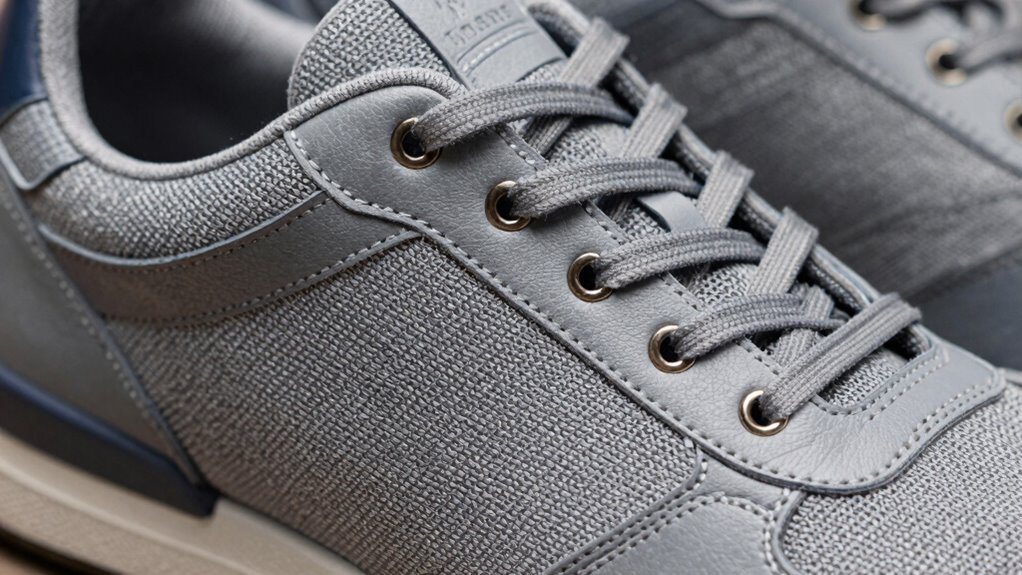
Close-up shots are a powerful way to showcase what makes a sneaker truly stand out: its texture, intricate details, and high-quality materials. Using macro or telephoto lenses with side lighting helps accentuate the sneaker’s texture, revealing the fine weave of mesh, the pattern on the tread, or the stitching that holds everything together.
Focus should be crisp on key details like logos, eyelets, and the toe box, while keeping the background blurred with a shallow depth of field (around f/2.8–f/4). This technique separates the shoe’s surface from distractions, emphasizing the material quality.
3. Experiment With On-Foot Shots to Showcase Fit and Lifestyle Appeal
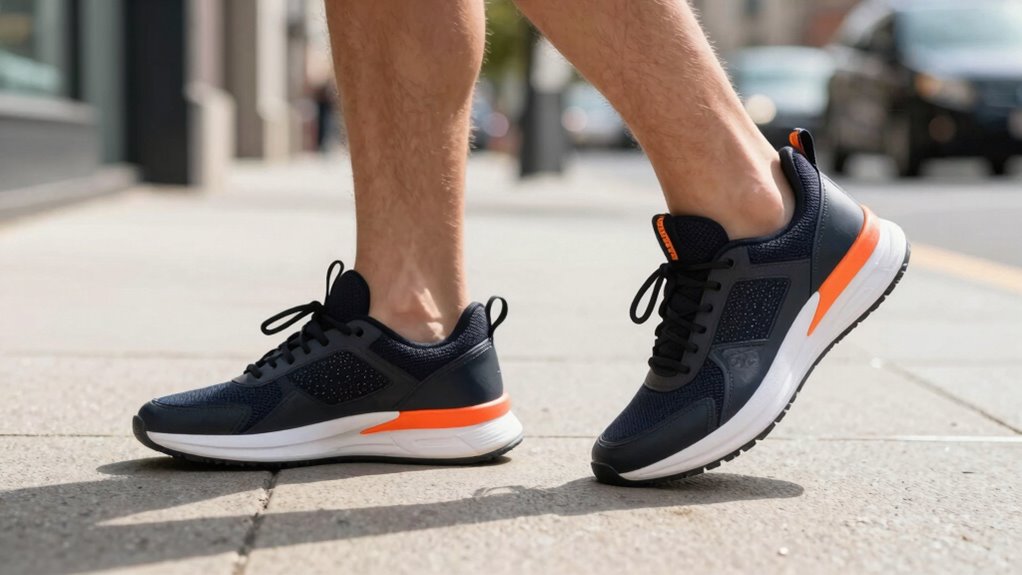
Ever wondered how to make sneakers look both stylish and practical at the same time? On-foot shots are perfect for showcasing a sneaker’s fit and lifestyle appeal.
By placing the model footwear in real-world settings—walking, standing, or angled poses—these photos capture movement and energy, making the sneakers feel alive.
Using natural daylight or soft indoor lighting helps reveal true colors and textures, avoiding harsh shadows that can distract from details.
Coordinating outfits with the shoe’s color and style enhances visual harmony, showing how versatile the sneakers are.
Experimenting with dynamic actions like light jogging or gentle turns emphasizes flexibility and performance.
These on-foot shots offer viewers a genuine sense of how the shoes fit and function in everyday life, making the sneakers irresistible.
4. Play With Creative Props and Backgrounds for Unique Visuals
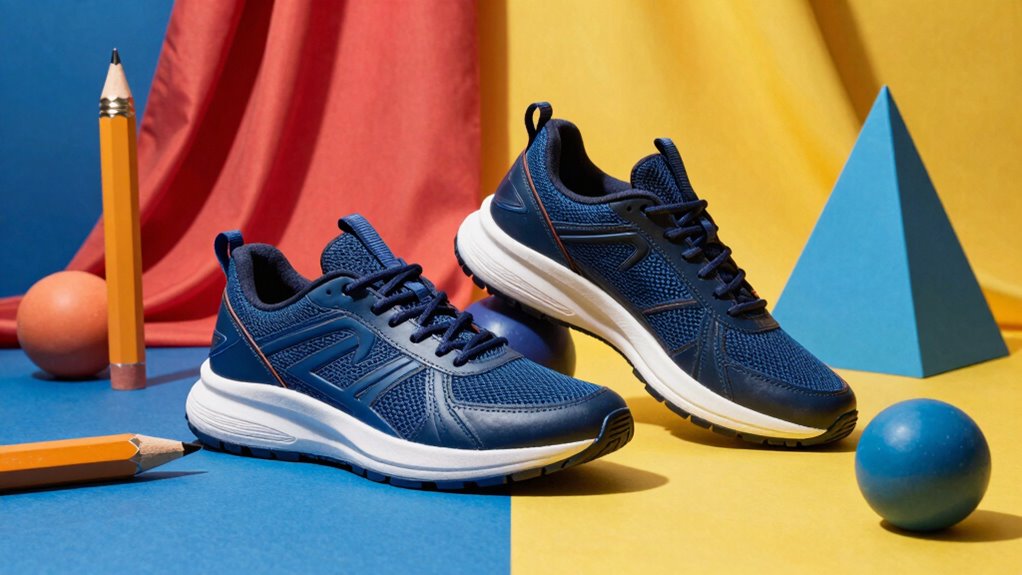
What makes a sneaker photo truly stand out? It’s often the creative use of props and backgrounds that grab attention. Using monochrome shoes against bold props, like bright red flowers or toys, creates striking color contrast and energy. For example, suspending a red high-heeled shoe from a twig with a blurred background makes the shoe the star of the shot, drawing the viewer’s eye immediately.
Experimenting with fun perspectives—placing the shoe close to the camera while the model is farther back—adds dynamic angles. Travel-themed setups, with shoes surrounded by bags and sunglasses, evoke real-world scenes. Lastly, conceptual pairings, like a sneaker in a bathtub with bananas, generate curiosity. These creative props and backgrounds turn simple sneaker photos into captivating, memorable visuals.
5. Capture Action Shots to Convey Performance and Energy
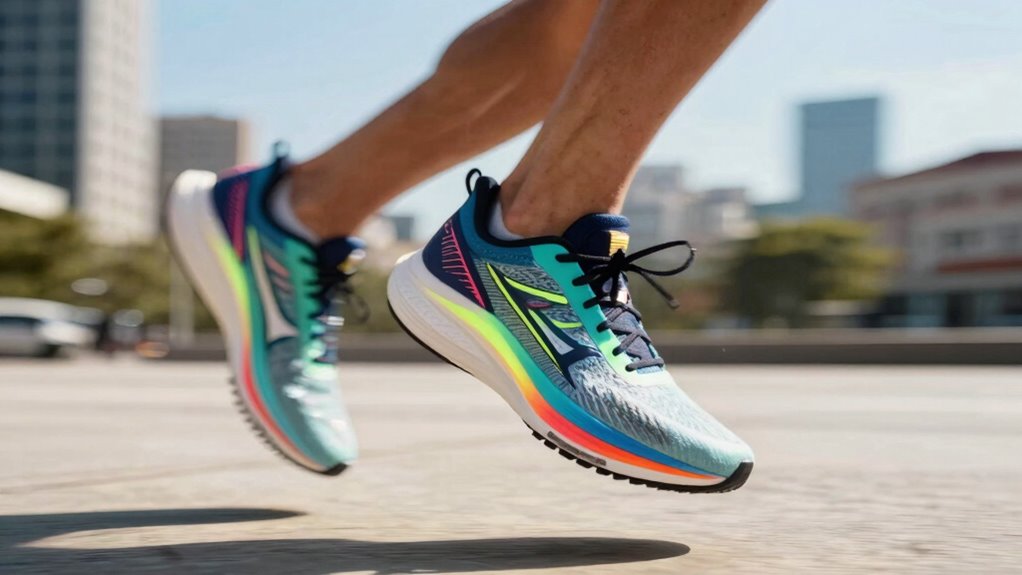
Have you ever wondered how to make sneakers look dynamic and full of energy in photos? Capturing action shots is a great way to do this. Using a fast shutter speed, like 1/1000s, can freeze motion, showing off the shoe’s performance features clearly. Alternatively, controlled motion blur can suggest speed and movement, especially in athletic environments like courts or tracks.
Dynamic angles—such as low shots or capturing a runner mid-stride—help emphasize velocity and energy. Pairing these shots with background motion blur enhances the sense of momentum without losing detail on the shoe itself. To make the shot even more impactful, focus on high-energy poses like jumping or cutting. This approach creates a lively, energetic feel that truly showcases sneakers in action.
6. Utilize Mirror and Reflection Techniques for Artistic Flair
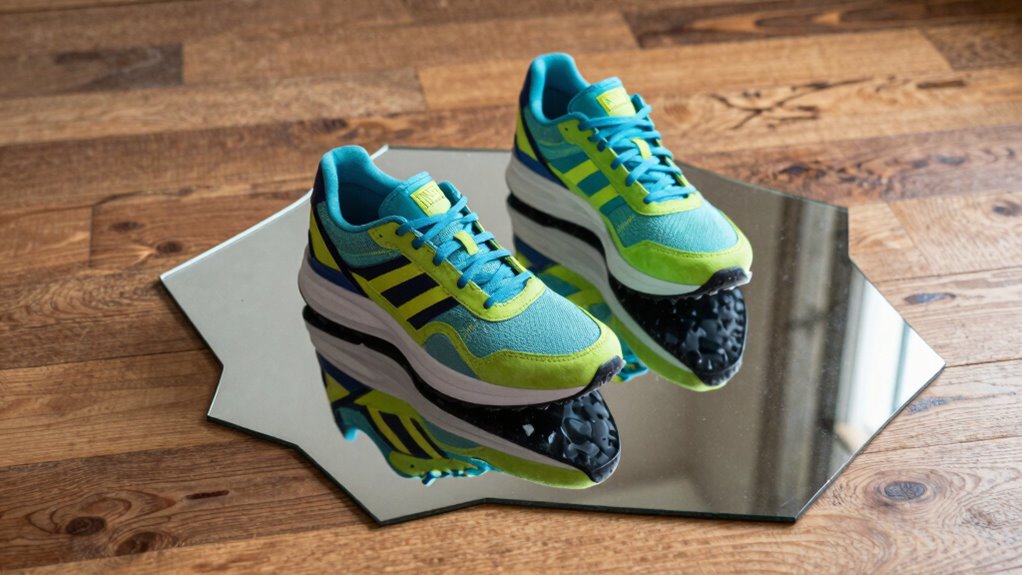
Would you like to add an artistic touch to sneaker photos? Using reflection and mirror techniques can create stunning visuals that stand out. Placing shoes on a clean acrylic or glass surface helps produce controlled reflections, adding depth to your shot. To keep the reflection subtle and proportional, use flags or blockers to prevent harsh glare. It’s important that the reflective surface is spotless; smudges or scratches can distract from the overall look.
Controlling lighting is key. Side lighting enhances texture and creates defined highlights without washing out details. Shooting against a minimal, neutral background keeps the sneaker as the main focus, while the reflection adds an artistic flair. A little post-processing can balance highlights and shadows, ensuring the reflection complements the sneaker perfectly.
7. Leverage Natural Lighting for Soft, Authentic Looks
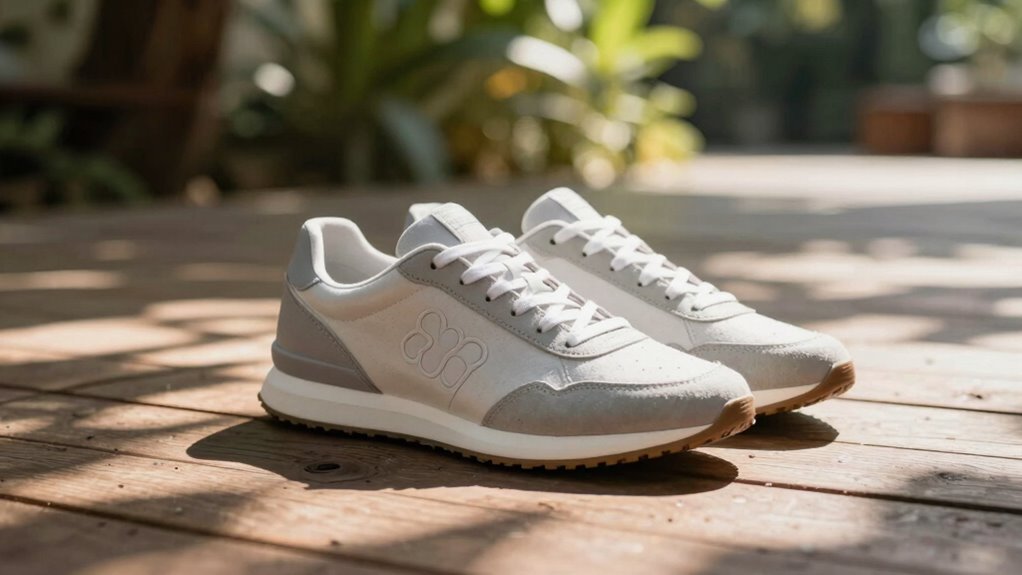
Natural light can transform sneaker photos into warm, genuine images that feel inviting and true to life. Overcast days or shaded outdoor areas offer soft illumination, reducing harsh shadows and keeping colors accurate. Indoors, shooting near large windows lets natural light fall gently, creating subtle gradients and highlighting textures without glare.
Sunrise or sunset lighting adds a moody, directional glow that emphasizes the sneaker’s silhouette and material details.
To keep the look consistent, photographers often use reflectors; these bounce light back onto the sneakers, filling shadows and balancing exposure. It’s best to avoid direct midday sun, which can cause strong cross shadows and distort colors. By leveraging natural light and reflectors thoughtfully, sneaker shots become more authentic, lively, and visually appealing.
8. Add Contextual Elements to Tell a Story or Set a Mood
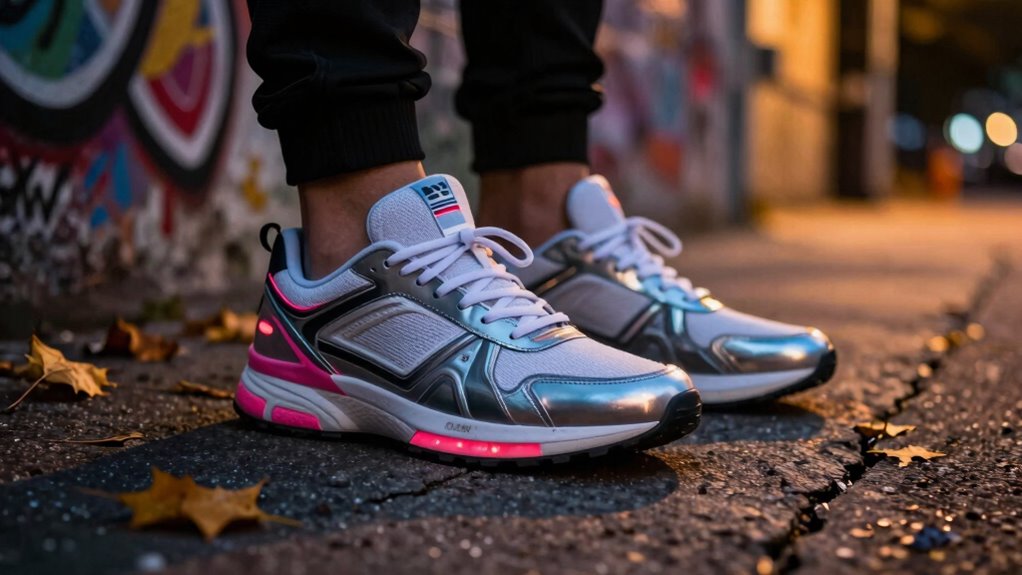
Ever wondered how to turn a simple sneaker photo into a story that captures attention? Incorporating context elements can make your images more compelling and tell a vivid story. For a travel-themed setup, surround the shoes with items like maps, sunglasses, or passports, placing the sneakers in the center to create a real scene.
To set a mood, keep the model’s face and shoes in the same shot, matching their expression to the shoe’s style—energetic for sports shoes or relaxed for casual kicks. Action shots, like walking or jumping, highlight energy and real use, with neutral backgrounds to keep focus. Consider dynamic layouts, such as stadium or 360-degree views, to showcase versatility and context, making each photo a storytelling masterpiece.