
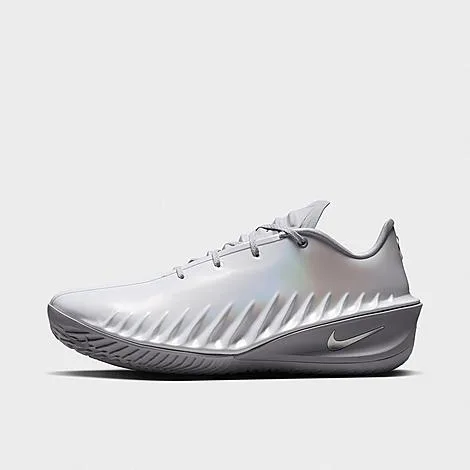
Nike G.T. Cut 4 Review: Performance and Quality Assessment
We may earn a commission from some links on this page.
The Nike G.T. Cut 4 is the current shoe in Nike's G.T. Cut line, the part of the basketball range built around players who live on quick cuts and changes of direction. It is a low, guard-first basketball shoe: the idea is to keep you close to the floor so you can feel the court and change direction fast, rather than to wrap the foot in maximum padding. This review covers what that design means in practice, how to judge the parts that matter on a basketball shoe, and what to check before you order a pair.
Table of Contents
Key Takeaways
- The G.T. Cut 4 is Nike's current basketball shoe in the G.T. Cut line, aimed at guards and quick, cutting players.
- It is a low-cut shoe: expect court feel and freedom to change direction rather than a padded, high-cut feel.
- A low shoe puts the fit and the outsole first, because there is less material between the foot and the floor.
- Check the outsole pattern against the surface you play on: indoor courts and outdoor concrete ask different things of a rubber sole.
- Try the pair on with the socks you play in, and leave room at the toe for the foot to move when you stop.
Where the G.T. Cut Line Sits
Nike splits its basketball range by player type, and the Cut is the line for the player who moves sideways more than straight ahead: the guard who cuts, closes out and changes direction. The shoe is built low for that job, because a low shoe lets the ankle move and keeps the foot closer to the floor.
That puts the G.T. Cut 4 in the performance range rather than in Nike's signature line. It is a shoe you buy to play in, not a lifestyle basketball shoe you wear off court, and the shape reflects it: a low collar and a close fit through the middle of the foot.
The trade-off is straightforward. The closer the foot sits to the floor, the more you feel the court and the less foam there is to absorb a heavy landing. That is the right balance for a quick guard and the wrong one for a heavy player who lands hard and wants the shoe to soak it up.
Court Feel and Cushioning
Court feel is the thing a low basketball shoe is for, and it is worth understanding before you buy one. A shoe that keeps you close to the floor gives you a clearer sense of where your weight is, which helps on defence and on hard cuts. It also means the cushioning has to do its work in a thinner package.
| What to judge | Why it matters on a low shoe |
|---|---|
| Cushioning under the forefoot | Guards spend more time on the ball of the foot than on the heel |
| Heel stability | The landing after a jump is where a low shoe has least material to help |
| Midfoot containment | A shoe that lets the foot slide sideways defeats the point of cutting fast |
| Outsole grip | Traction is what makes a quick stop possible at all |
If you have played in a heavier, high-cut shoe and liked the cushioning, a low guard shoe will feel like a step towards the floor. Runners notice the same thing in low racing shoes: more feel, less padding. Neither is better in general; it depends on how you play and what your knees and feet prefer.
Detailed Features
The parts worth looking at on the G.T. Cut 4 are the ones that decide whether a low shoe works for you:
- Low collar: leaves the ankle free to move and keeps the shoe light, but it is not a brace, and players who have rolled an ankle before often want a brace or a higher shoe.
- Outsole: the pattern and the compound decide grip, and that matters most on a clean indoor floor.
- Midfoot fit: the lacing and the panels around the middle of the foot are what stop the foot sliding over the sole when you cut.
- Toe shape: a low shoe turns and stops on the front of the foot, so the toe box needs room without being loose.
A good test in the shop, if you can try a pair on: lace them up, stand, and push sideways against the floor. If your foot moves inside the shoe while the sole stays put, the fit is wrong, whatever the size label says.
Fit and Sizing
Basketball shoes are usually bought a little longer than dress shoes, because the foot slides forward when you stop and the toes need somewhere to go. Measure your foot late in the day, then leave roughly a thumb's width between the longest toe and the end of the shoe when you stand.
Two more things decide the fit on a low shoe:
- Your playing socks. Take the socks you actually play in, because a thick basketball sock changes the fit more than people expect.
- The insole you will use. If you wear an orthotic or a replacement insole, the shoe has to fit with it inside, and an insole takes up room.
Width matters too. If you have wide feet, ask the shop about the width it stocks in your size, or look at a shoe sold in wide sizes rather than going up a length to make room. A longer shoe will not fix a narrow one.
Who the G.T. Cut 4 Suits
The G.T. Cut 4 suits the guard and the wing who want to feel the floor and move quickly: the player who cuts, defends on the ball and stops hard. It also suits a player who has worn the previous Cut shoes and knows they like the shape of the line.
It is a less obvious buy for a heavier player who wants a lot of cushioning for landings, or for someone who has had ankle trouble and wants a high-cut shoe or a brace. A low shoe is a choice about how you move, not a claim that it protects more.
If you want a lower-cut Nike signature shoe, the Book 2 is the other option Nike sells in that role, and the Sabrina 3 is a lighter option sold in women's sizes.
Advantages and Disadvantages
Advantages
- Court feel: a low shoe lets you read the floor and cut quickly.
- Nike's guard-first line, so the shape is built around sideways movement.
- A low-cut shape rather than a high-cut one, which keeps the ankle free late in a game.
- A clean, low profile that works with shorts and warm-up gear.
Disadvantages
- Less material between the foot and the floor, so hard landings feel harder than in a max-cushion shoe.
- The low collar leaves the ankle free, which is not the same as protecting it.
Add-ons and a Second Nike Option
Two things readers ask about with a court shoe: an insole for more arch support inside a gym shoe, and a simpler Nike basketball shoe for a player who does not want a guard-first pair.
Frequently Asked Questions
Is It an Indoor or Outdoor Shoe?
The maker's listing does not say which surfaces the outsole is meant for. If you play outdoors most of the time, check the product details for an outdoor outsole before you buy.
How Does a Low Shoe Affect Ankle Support?
A low collar leaves the ankle free to move, which some players prefer and some do not. If you have rolled an ankle before, a brace or a higher shoe is the usual answer; the shoe alone is not ankle protection.
Do Basketball Shoes Need Breaking In?
Most basketball shoes need a few sessions before the upper softens around the foot and the sole flexes. Wear them around the house first, then for a light shootaround, before a full game. If a pair is painful in the shop, it is unlikely to become comfortable on court.
Are They Suitable for Wide Feet?
A player with wide feet should ask the shop what widths it stocks in this model, or look at a shoe sold in wide sizes. Going up a size adds length, not width.