
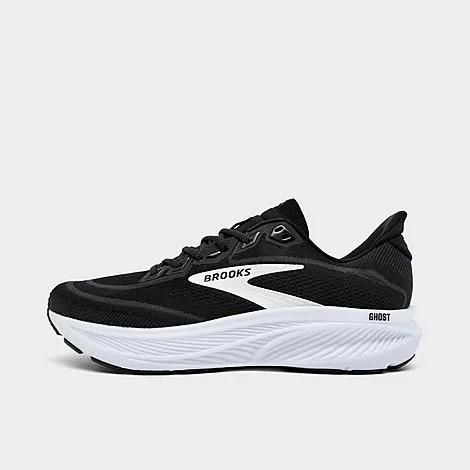
Brooks Ghost 18 Review
We may earn a commission from some links on this page.
The Brooks Ghost 18 is the current version of the Ghost, Brooks's neutral daily trainer: the shoe in the range that is meant for ordinary runs on the road, at an easy or steady pace, without the extra support structure of a stability shoe. It is the plain, everyday option in Brooks's line, and that is exactly what most runners need for most of their miles.
Neutral means the shoe does not try to hold the foot in a particular position as it lands. If your foot rolls inward and you have been advised to wear a supportive shoe, the Adrenaline is the Brooks model to look at instead; if your foot lands roughly straight, a neutral trainer like this one is lighter and less intrusive. This review covers what the Ghost line is for, where the Ghost 18 sits among Brooks's other road shoes, what to expect from the fit and what to compare before ordering.
Table of Contents
Key Takeaways
- The Ghost 18 is a neutral daily road trainer, the current version of Brooks's long-running Ghost line.
- It is for runners who land roughly straight; if your foot rolls inward, look at the Adrenaline instead.
- It is a shoe for regular pavement miles, not for racing or for trail.
- The Ghost range is also sold in a waterproof GTX build, which is the one to pick for wet weather.
- Fit and size are set by the shop's chart and the laces, so check the listing before ordering.
What the Ghost Line Is For
The Ghost is Brooks's neutral everyday trainer, and it has been for a long time: a cushioned shoe for the runs you repeat rather than the ones you race. That is the heart of it. Where the Adrenaline adds support under the arch and the Glycerin adds more foam, the Ghost sits in the middle as the standard neutral option, and it is the shoe most often recommended to a runner who has no particular problem to solve and just wants a reliable pair for training.
In practice that means easy runs, recovery runs, long steady runs and the general weekly mileage that makes up most of a training plan. It is not a race shoe: for a fast 5K or a half marathon at pace, a lighter shoe is the better tool. It is not a trail shoe either, and it is not a walking shoe first, although a cushioned neutral trainer is a perfectly good shoe to spend a day on your feet in.
The version number in the name matters more than it used to, because Brooks keeps several Ghost models on sale at once, including the plainer Ghost, the Ghost Max with more foam and a waterproof Ghost GTX. If you are ordering, read the listing for the exact version rather than assuming every shoe with Ghost in the name is the same build.
Where the Ghost 18 Sits in the Range
Brooks's road range splits by job. The Ghost is the neutral daily trainer; the Adrenaline is the daily trainer with support; the Glycerin is the neutral shoe with the most foam underfoot; and the Ghost Max takes the Ghost idea and adds a taller, softer platform still. Above all of them sit the lighter, faster shoes that are for race day and workouts rather than for the daily run.
That makes the Ghost the safe middle. It is the shoe to buy when you do not want to think about it much: enough cushioning for long easy miles, enough structure to feel like a running shoe, and none of the support geometry that a neutral runner does not need. If you try it and want more softness underfoot, the Glycerin 23 or the Ghost Max is the step up; if you find you want the shoe to guide your foot, the Adrenaline is the step across.
The one version worth knowing about before you order is the Ghost GTX, which is the same idea with a waterproof upper. If you run through the winter in a wet climate, that is the one to look at,.
Detailed Features
Here is the shape of the shoe in plain terms. The product page for the colour you are buying is the place to confirm the details of that exact version.
| Feature | What it means for you |
|---|---|
| Model line | Brooks Ghost 18, the current neutral daily trainer in the Ghost line |
| Type | Neutral, cushioned shoe for road and pavement running |
| Family | Also sold as the Ghost Max with more foam, and as the waterproof Ghost GTX |
| Sizing | Sold in US men's sizes; check the listing for the widths on offer |
| Best for | Easy, steady and long training runs on pavement |
| Not for | Trail, racing or a runner who needs support under the arch |
The last two rows are the ones that decide whether it is the right shoe. A neutral daily trainer is the right answer for most runners and the wrong answer for a runner who has been told they need support, and no amount of cushioning makes up for buying the wrong category.
Ride and Fit
The ride of a neutral daily trainer is meant to be unremarkable, and that is a compliment. You should be able to put the shoe on and forget it: no pressure under the arch, no sense of the shoe steering your foot, just cushioning under the landing and a smooth roll through to the toe. That is what the Ghost line is built to do and what most of the mileage in a training plan asks for.
Fit is where an online purchase is won or lost. Measure your foot with the sock you run in, use the size chart on the product page, and do not carry a size over from another brand without checking it. Running shoes are usually bought a little roomier than everyday shoes, because the foot spreads as it warms up and the toes need space to move; a shoe that feels snug standing still can be too tight at five kilometres.
The upper should hold the midfoot without pressing anywhere, and the heel should stay put when you walk around in the pair indoors. If the heel lifts, lace the top eyelets firmly before deciding the shoe is too big. Keep the pair clean and dry between runs and they will last the way a training shoe should; leave them damp in a bag and the upper goes first.
Advantages and Disadvantages
The advantages start with the category. A neutral daily trainer is the most useful shoe most runners can own, because it covers easy runs, recovery runs and long runs without asking anything of your stride. The Ghost line has been refined over many versions, so the shape and the sizing are known quantities rather than a gamble. It sits in the middle of Brooks's range, which means there is a clear step up to more cushioning and a clear step across to support if you need it. And the same family includes a waterproof version, so you can stay in the same fit through a wet winter.
The disadvantages are the other side of the same coin. Neutral means no help if your foot rolls inward, and a runner who needs support will find the Ghost too free under the arch. It is not a light shoe, so it is not the one for intervals or a race. It is a road shoe and it will not handle mud or rough ground. And the cushioned neutral category is crowded, so the Ghost's main claim is that it is a well-known, dependable example of it rather than something no other brand offers.
Two shoes worth comparing before you decide are the Ghost Max 4 if you want more foam underfoot and the Adrenaline GTS 25 if you want the same daily role with some guidance.
Sizing and Care
Order from the size chart on the listing, not from the size on an old pair of another brand. Brooks sells several of its running shoes in more than one width, and the widths on offer change with the colour and the version, so read the size list for the pair you actually want. If you are between sizes and plan to run in thicker socks through the winter, take the larger one.
Care is simple. Let the pair air out after a run instead of leaving them in a bag, keep them away from direct heat, and wash the upper by hand with a brush and a little mild soap rather than putting running shoes in a machine. Replace them when the midsole stops feeling like it did, not when the outsole first looks worn, because the foam under your foot goes before the rubber underneath does.
Frequently Asked Questions
How does the Ghost 18 cope with rain?
The standard Ghost is not sold as a waterproof shoe, so it will let water in during real rain. Brooks sells the Ghost GTX with a waterproof upper for exactly that reason, and if you run through a wet winter that is the version to buy. Whichever you choose, wet painted lines and metal covers stay slippery.
Can the insoles be replaced?
If you prefer a different feel underfoot, an aftermarket insole is an option in most running shoes, but check the listing for this pair before you count on it. If you wear custom orthotics, check the listing for the shoe first and try the combination indoors before you commit to a long run.
Does the Ghost 18 run true to size?
Do not take a size from another brand and assume it fits. Measure your foot, compare it with the chart on the product page, and remember that running shoes are usually worn a little roomier than everyday shoes. If you have worn earlier Ghosts and the size worked, start from that size and check the listing's chart as well.
Is there a break-in period?
Modern running shoes are designed to be worn straight out of the box, and a cushioned neutral trainer is the least likely kind to need breaking in. Walk around indoors first to check the fit, then take a short easy run before you use the pair for a long one, which is sensible with any new shoe whatever the brand says.
What widths are available?
Brooks sells several running models in more than one width, and the Ghost has long been one of them. The widths on offer change with the colour and the version, so open the listing for the pair you want and read the size list there rather than assuming a width is in stock.