

Trail running shoes split into two groups: all-rounders that cope with pavement on the way to the trailhead, and lighter, more focused shoes for the trail itself. The seven below start with the current Brooks Cascadia and the ASICS GEL-Venture, then add trail runners from Saucony, Nike and On, and finish with a budget NORTIV 8 pair. None of them is a waterproof-lined shoe; for wet weather, look for a GORE-TEX or membrane version of the same kind. Compare the cushioning, the outsole and the fit before you choose.
Our Top Trail Running Picks
| Brooks Cascadia 20 Trail Running Shoes | 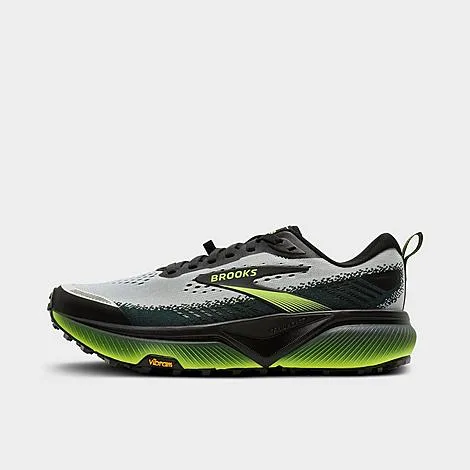 | Trail runner | Cascadia line | Trail running shoe | Men's pair | View Latest Price | Read Our Analysis |
| ASICS GEL-Venture 10 Running Shoes | 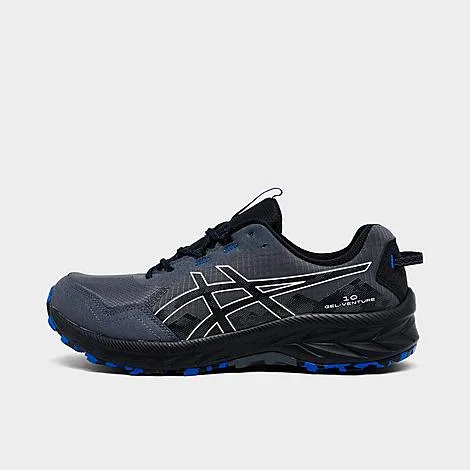 | All-rounder | GEL-Venture line | Trail and outdoor | Men's pair | View Latest Price | Read Our Analysis |
| Saucony Peregrine 16 Trail Running Shoes | 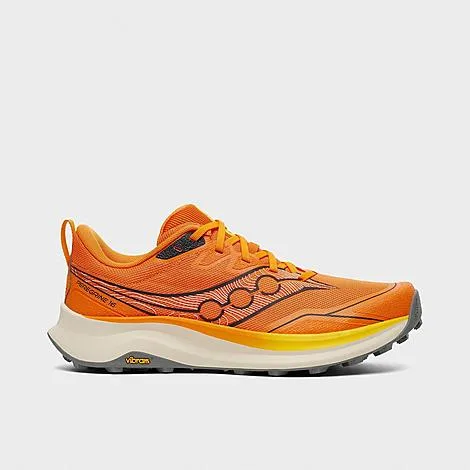 | Trail runner | Peregrine line | Trail running shoe | Men's pair | View Latest Price | Read Our Analysis |
| Nike Pegasus Trail 5 Trail Running Shoes | 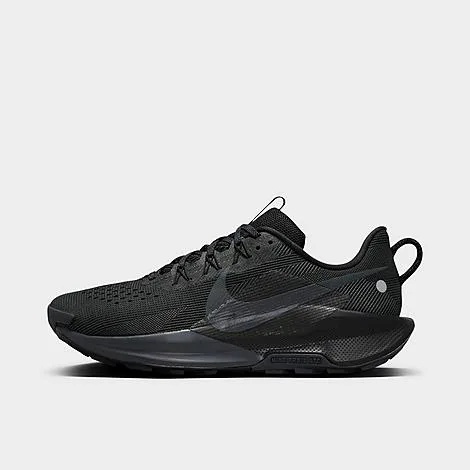 | Road-to-trail | Pegasus line | Trail running shoe | Men's pair | View Latest Price | Read Our Analysis |
| On Cloudvista 2 Trail Running Shoes | 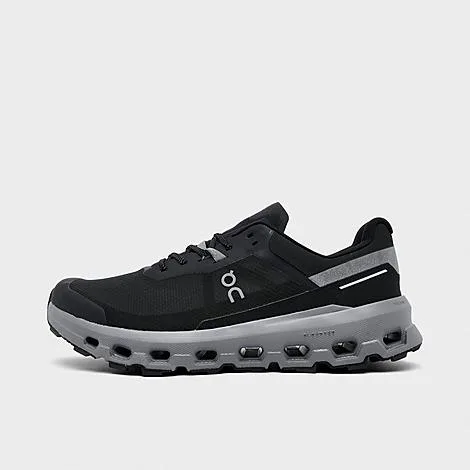 | Light trail option | Cloud range | Trail running shoe | Men's pair | View Latest Price | Read Our Analysis |
| Saucony Xodus Ultra 4 Trail Running Shoes | 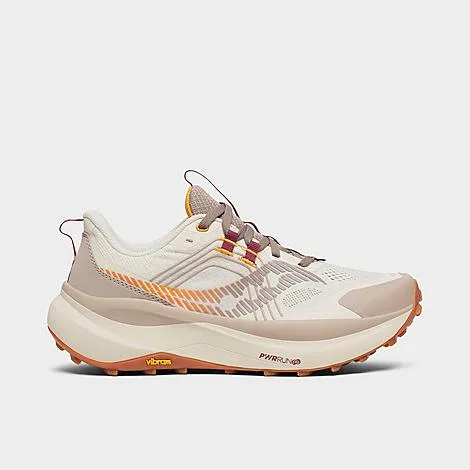 | Women's trail runner | Xodus line | Trail running shoe | Women's pair | View Latest Price | Read Our Analysis |
| NORTIV 8 Men's Trail Running Shoes | 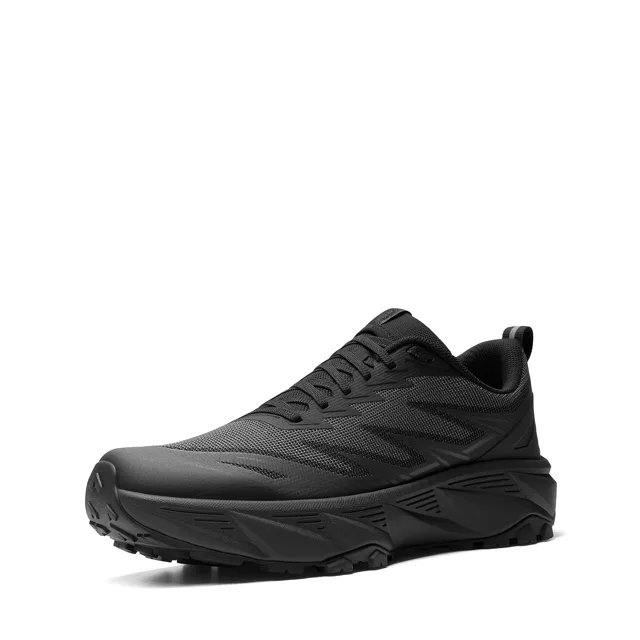 | Budget trail runner | EVA midsole | Rubber lugs | TPU toe cap | View Latest Price | Read Our Analysis |
More Details on Our Top Picks
Brooks Cascadia 20 Trail Running Shoes
The Cascadia 20 is the current model in Brooks' Cascadia trail running line.
It is a men's trail runner built for rough ground and long days out.
- Cascadia line
- Trail running shoe
- Men's pair
ASICS GEL-Venture 10 Running Shoes
The GEL-Venture 10 is ASICS's trail and outdoor running shoe, and the all-rounder of this list.
It is a men's pair for mixed trail and pavement miles rather than technical ground.
- GEL-Venture line
- Trail and outdoor
- Men's pair
Saucony Peregrine 16 Trail Running Shoes
Saucony's Peregrine 16 is the newest model in the Peregrine trail line.
It is a men's trail running shoe for ordinary trail miles.
- Peregrine line
- Trail running shoe
- Men's pair
Nike Pegasus Trail 5 Trail Running Shoes
Nike's Pegasus Trail 5 is the trail version of the Pegasus running shoe.
It suits a runner who wants one pair that works on pavement and on easy trails.
- Pegasus line
- Trail running shoe
- Men's pair
On Cloudvista 2 Trail Running Shoes
The Cloudvista 2 is On's trail running shoe, the simplest trail pair in this list.
It is a men's trail shoe for shorter runs and light ground.
- Cloud range
- Trail running shoe
- Men's pair
Saucony Xodus Ultra 4 Trail Running Shoes
The Xodus Ultra 4 is the women's trail running shoe in Saucony's Xodus line.
It is a women's trail runner for long days out.
- Xodus line
- Trail running shoe
- Women's pair
NORTIV 8 Men's Trail Running Shoes
NORTIV 8's men's trail runner uses EVA cushioning in the midsole and a breathable upper.
The maker lists a rubber outsole with multi-directional lugs and a TPU toe cap for protection on rough ground, and the shoe comes in black, green, brown and orange.
- EVA midsole
- Rubber lugs
- TPU toe cap
Factors to Consider When Choosing Trail Running Shoes
When choosing trail running shoes, you’ll want to focus on fit and comfort to keep your feet happy on long runs. Look for shoes with excellent traction and grip to confidently tackle various terrains, and make sure they offer durability and quality to withstand rugged conditions. Don’t forget about weight and protection, as well as their overall performance on trails, to enhance your running experience.
Fit and Comfort
Selecting the right trail running shoes hinges on two key factors: fit and comfort. A proper fit is essential, as it can enhance stability and help prevent blisters during those long, challenging runs. Look for shoes that offer a snug fit around your foot, but don’t compromise on comfort. Many runners appreciate a generous toe box, which accommodates wider feet and reduces pressure points. This can make a significant difference, especially if you’re out on the trails all day.
Comfort doesn’t just stop at the toe box. The cushioning should be firm enough to support your foot without sacrificing responsiveness, especially on uneven terrain. This balance guarantees you can tackle any trail without feeling fatigued. Some might find they need to size up or opt for different widths to match their foot shape perfectly. Don’t overlook the importance of the lacing system, either. It should secure your shoes effectively without causing discomfort. If the laces are hard to adjust, it can lead to fit issues during your runs.
Ultimately, the right fit and comfort can transform your trail running experience, allowing you to focus on the adventure ahead.
Traction and Grip
While fit and comfort lay the foundation for an enjoyable trail running experience, traction and grip guarantee you stay upright on unpredictable terrain. The outsole design of trail running shoes plays an essential role in this, often featuring aggressive lugs that stabilize and prevent slipping. When you’re tackling loose or muddy surfaces, look for shoes with deep, widely spaced lugs. These will dig into the ground better, giving you the confidence to power through challenging conditions.
On the other hand, shallower lugs can be your best friend on harder, more compact trails, providing a smoother ride without sacrificing grip. Additionally, the rubber compound used in the outsole matters greatly. Opt for materials with higher friction levels, as these enhance traction on both wet and dry surfaces, ensuring you’re prepared for any weather.
For rocky terrains, consider shoes with a full rock plate. This feature not only protects your foot from sharp objects but also maintains grip, allowing you to navigate safely over jagged rocks. Always think about the shoe’s performance across different conditions because some designs may excel in dry settings but falter when things get slippery. Your choice should match the demands of your trail adventures.
Durability and Quality
As you venture into the world of trail running, durability and quality become essential factors in choosing the right shoes. High-quality materials are crucial, as they enhance both durability and performance, especially on rugged terrains. When reviewing shoes, look for features like reinforced toe caps and durable outsoles. These elements help protect your shoes from the wear and tear caused by sharp rocks and uneven surfaces, ensuring they last longer.
User feedback is invaluable when evaluating durability. Pay close attention to reviews about the longevity of shoe components. Some models might have issues with lugs wearing off or upper materials degrading faster than expected. This information can guide you toward shoes that will withstand the test of time.
Another factor to reflect on is the shoe’s ability to shed mud and debris. This feature impacts both performance and durability, particularly in wet and muddy conditions where excess buildup can accelerate wear. Finally, check if manufacturers offer warranties or satisfaction guarantees. These can be strong indicators of their confidence in the product’s durability and quality, giving you peace of mind in your purchase.
Weight and Protection
Durability and quality set the foundation for a reliable trail running shoe, but weight and protection are key factors that directly impact your performance on the trail. When you’re choosing trail running shoes, consider how the shoe’s weight affects your speed and agility. Lighter shoes can help you move quickly and nimbly, which is great for shorter, faster runs. However, they might not offer as much protection against sharp rocks or rugged terrain. On the other hand, heavier shoes usually provide better protection but can slow you down and lead to fatigue during longer runs.
Striking a balance between weight and protection is essential. Look for shoes that include protective features like a rock plate, which can shield your feet from sharp objects without greatly adding to the shoe’s weight. Additionally, shoes that can effectively shed mud and perform well in wet conditions prevent excess weight from accumulating, ensuring a safer and more comfortable run. Ultimately, your choice should align with the trails and conditions you’ll encounter. Whether you’re tackling rocky paths or muddy trails, selecting the right balance of weight and protection will enhance your trail running experience.
Performance on Trails
When selecting trail running shoes, it’s important to focus on how they perform on various terrains to enhance your trail running experience. Start by looking for shoes with excellent stability features. Stability is significant when you’re maneuvering around rocks and uneven surfaces, as it provides the support you need to prevent injuries.
Next, consider shoes with a full rock plate. This feature protects your feet from sharp objects, ensuring comfort even on rugged trails. The outsole design is also fundamental; shoes with aggressive tread patterns and deep lugs offer ideal traction on slippery and loose surfaces. This means you can confidently tackle muddy paths or loose gravel without worrying about slipping.
Shoes that shed mud easily are another key consideration. They help maintain traction and performance in wet conditions, preventing debris buildup that could slow you down. Additionally, you’ll want shoes that are responsive. This responsiveness is critical for precise foot placement and quick turns, especially on technical trails where agility is a must. By focusing on these features, you can find trail running shoes that will elevate your performance across a variety of terrains and challenges.
Sizing and Adjustments
Choosing the right size for trail running shoes can make a significant difference in your comfort and performance. Many users suggest going half a size larger than your usual size, as some models tend to run small. This extra space can prove beneficial, especially since your feet might swell during long runs. When trying on shoes, aim for a snug fit that provides stability without compromising the roominess in the toe box, which should be spacious enough to prevent discomfort from swelling.
Adjustments play an essential role in achieving the perfect fit. Quick lace systems allow for easy adjustments, but they might not be everyone’s cup of tea. Some users find these systems uncomfortable, so it’s important to experiment with different lacing styles to suit your personal preference. Also, pay attention to the width options available. If you have broader feet, look for brands offering wider sizes, as certain models can feel narrow for some foot shapes.