
As an Amazon Associate, this website earns from qualifying purchases.
Selecting the best walking shoes involves understanding foot type, support needs, and walking terrain. For example, those with flat feet may need extra arch support and firm heel counters, while high arches benefit from cushioned midsoles. Proper fit is essential—leave a thumb’s width at the toe and ensure a snug heel. Consider shoe weight and flexibility based on your style—lighter shoes for comfort or more stability for uneven surfaces. To learn more about finding your perfect fit, keep exploring these tips.
Understand Your Foot Type and Gait to Find the Right Shoes

Have you ever wondered why some shoes feel perfect while others cause discomfort? It all comes down to understanding your foot type and gait. A gait analysis helps reveal if you walk with a neutral stride or if you tend to pronate (roll inward) or supinate (roll outward). Knowing this guides you to choose shoes with the right arch support and stability features.
For example, pronated feet benefit from extra arch support to prevent inward collapse, while supinated feet need more cushioning and flexible soles to absorb shock and adapt to terrain. Proper footwear tailored to your gait reduces uneven wear on your shoes and promotes a smoother stride. If you’re unsure, in-store gait analysis or removable insoles can help you find shoes that fit your unique walking style comfortably.
Prioritize Cushioning and Support Based on Your Walking Terrain
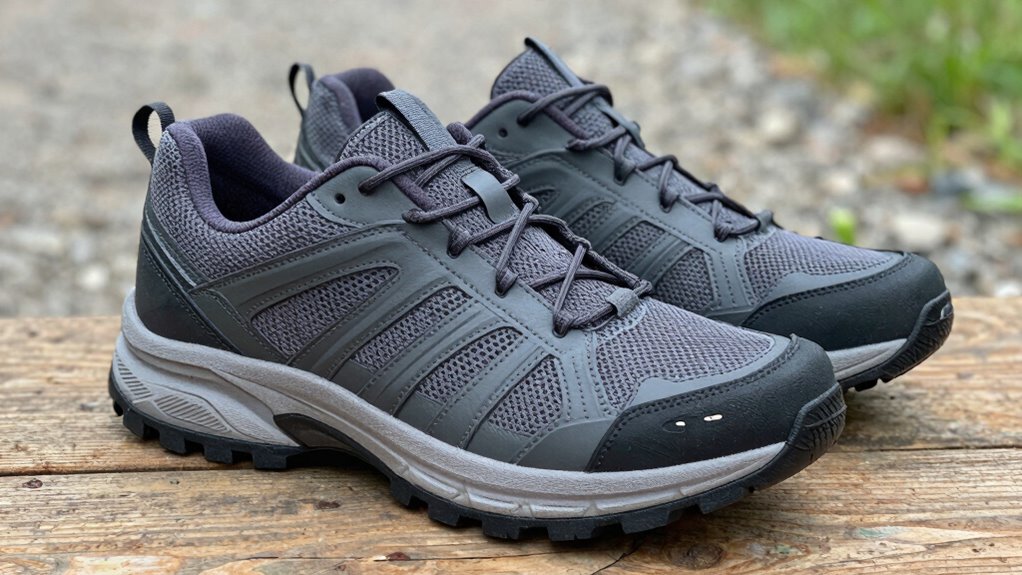
Why is choosing the right cushioning and support so important when walking on different terrains? It helps prevent fatigue and injuries, making every step comfortable.
For uneven surfaces, shoes like Nike Motiva offer excellent cushioning and support, with a rocker design to support forward momentum. On smoother or cooler terrains, models like On Cloudtilt provide plush landings and a wide base for stability, while also enhancing breathability.
| Terrain Type | Recommended Shoe Features |
|---|---|
| Uneven, outdoor | Cushioned support, rocker for forward movement |
| Smooth, cool weather | Soft landings, wide base, breathable design |
| Long walks on varied surfaces | Strong impact protection, lightweight cushioning, steady grip |
Choose the Right Shoe Fit and Size for Comfort and Stability
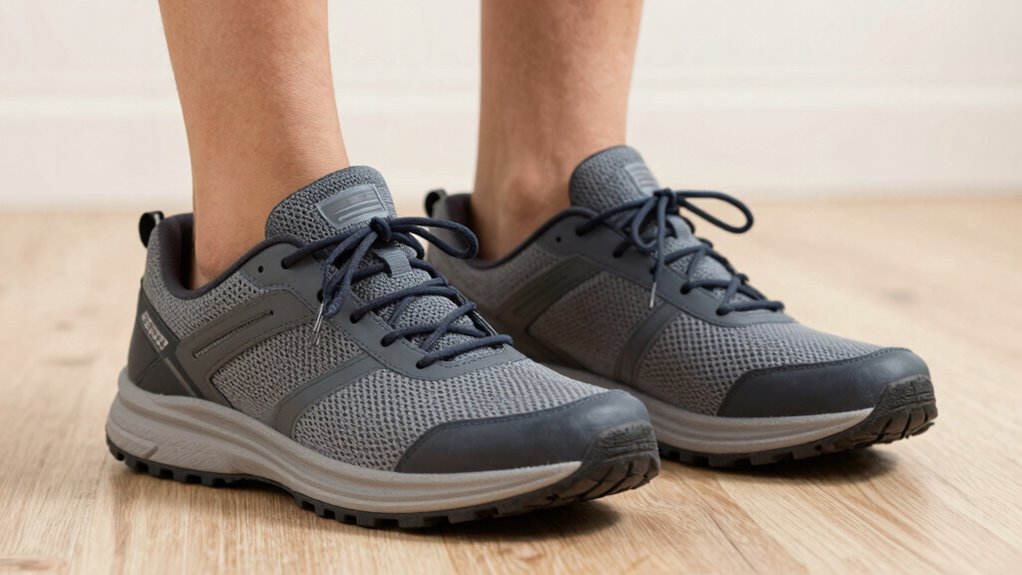
Choosing the right shoe size and fit is essential for walking comfort and stability, as even small differences can make a big impact. A good fit means leaving about one finger’s width of space between the longest toe and the shoe’s end, ensuring enough room without being too loose. Shoes that are too tight can cause blisters, discomfort, and foot fatigue, while overly loose shoes may lead to instability or blisters from rubbing.
It’s best to try shoes in-store, ideally with any orthotics you plan to use, to assess how they feel. Check that the heel counter is firm to support the back of the foot, and ensure the lacing system provides a secure, adjustable fit. Proper shoe fit supports your arch and overall foot alignment, reducing injury risk during walks.
Select Appropriate Arch Support for Your Foot Condition

When selecting shoes, considering the arch support is a key step, especially since foot arches come in different shapes and needs. Proper arch support helps maintain gait stability and align the foot correctly.
For example, flat feet require models with substantial arch support, while high arches benefit from responsive midsole foam. Shoes should feel supportive across the midfoot without feeling rigid or collapsing. Additionally, if custom orthotics are used, choose shoes compatible with inserts to enhance comfort.
The table below highlights suitable features for different arch types:
| Foot Type | Recommended Features |
|---|---|
| Flat Feet | Firm heel counters, medial posts |
| High Arches | Cushioned midsoles, flexible support |
| Neutral Gait | Moderate arch support, supportive insoles |
Consider Shoe Weight and Flexibility for Your Walking Style
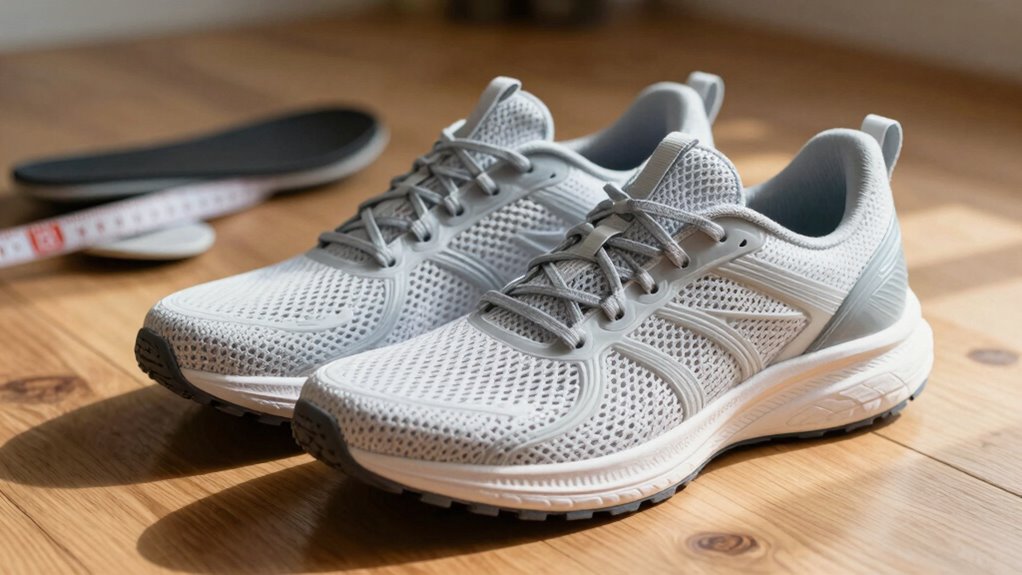
Have you ever noticed how some shoes feel like a cozy cloud, while others feel more like a sturdy platform? When choosing walking shoes, weight and flexibility are key factors. Lighter shoes, like the On Cloudtilt at just 266 grams, often feel more comfortable for everyday walking, reducing fatigue. Conversely, heavier models, such as HOKA Transport 2, provide a plush, stable feel, ideal for longer walks or rougher terrains but might be less breathable.
Flexibility also matters. Shoes that bend easily can mimic natural foot movement and prevent stiffness. Shoes with moderate drop and a flexible sole support smooth forward motion, particularly for walking styles that favor a quick, energetic stride. Balancing weight and flexibility helps ensure your shoes match your walking needs and keep you comfortable mile after mile.
Evaluate Outsole Traction and Durability for Different Surfaces
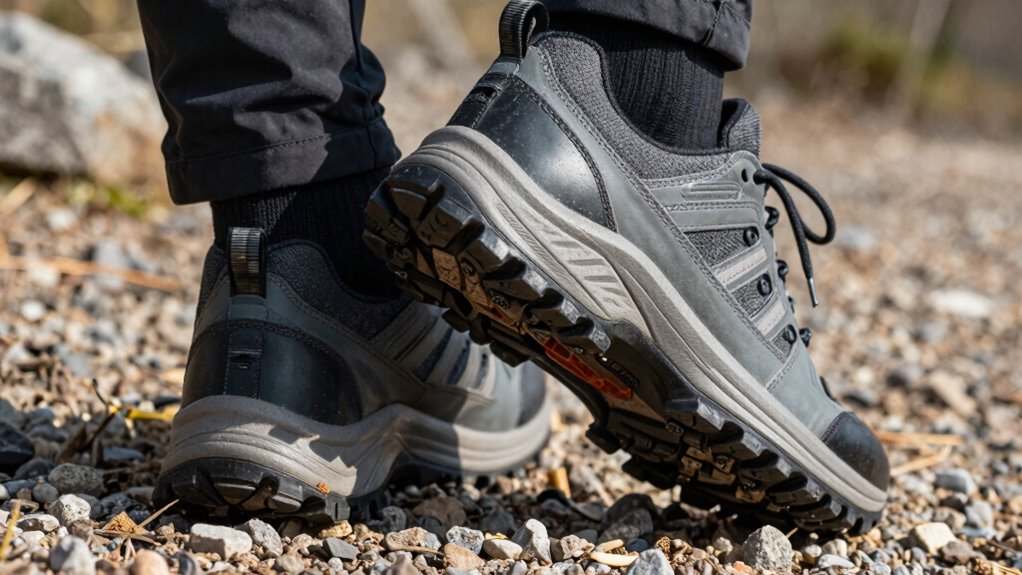
Outsole traction and durability play a significant role in how well walking shoes perform across different surfaces. For those going for a walk aesthetic, choosing sneakers with the right outsole features can make all the difference. Outsoles made from rubber compounds with specific patterns, like lugs, help prevent slips, especially on wet or slick indoor surfaces.
For urban walks, thinner, flexible soles with good cushioning work well, while natural terrains need thicker soles with more grip for stability. Brands like New Balance often incorporate diagonal stability features and wider bases to improve ground contact. Durability is key; a strong outsole keeps traction reliable over miles, even as wear sets in.
Ultimately, evaluating outsole material, pattern, and construction helps ensure shoes perform well regardless of where the walk takes you.
Decide Between Stability, Motion Control, or Neutral Shoes
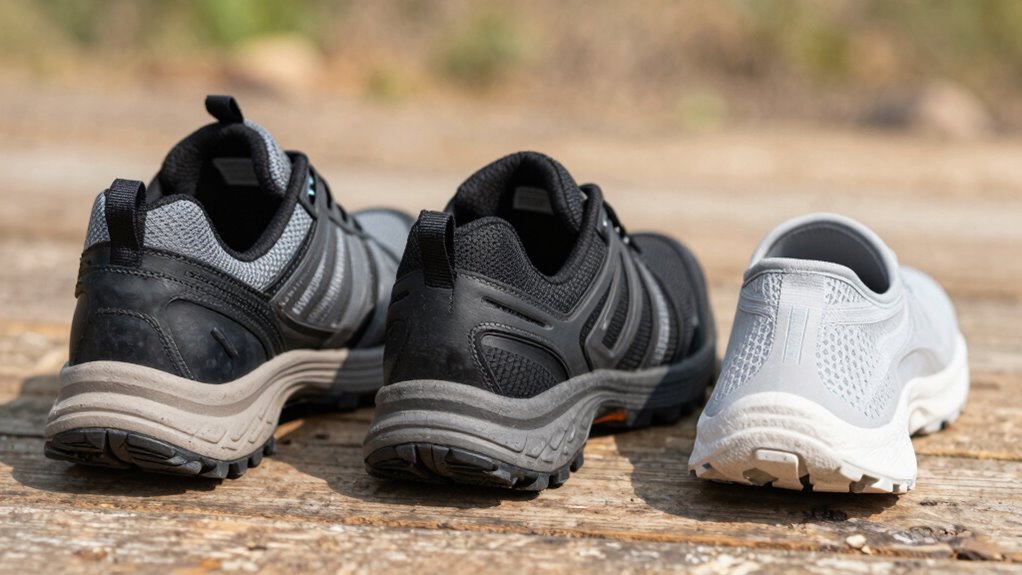
Choosing the right walking shoe often depends on understanding how your foot moves naturally and what kind of support it needs. Shoes come in three main types: stability, motion control, and neutral.
Stability shoes are great for those who need extra support, featuring a firm heel and built-in stability features to control foot motion and prevent excessive movement. Motion control shoes go further, designed specifically for overpronators—people whose feet roll inward too much—with firmer arch support and medial posts.
Neutral shoes provide balanced cushioning and support, ideal for walkers with a natural gait. To choose wisely, it’s helpful to know your gait type—whether neutral, pronated, or supinated—so you select the shoe that best reduces injury risk and enhances comfort during your typical walking routines.
Assess Upper Material and Breathability for Comfort During Walks
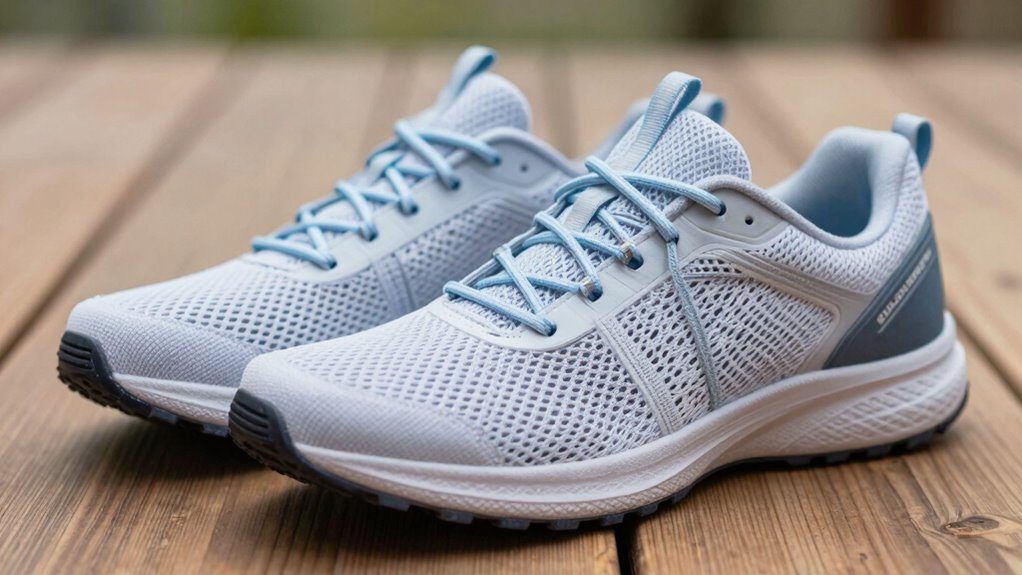
Ever wondered why some walking shoes feel comfortable even after hours on your feet? The secret often lies in the upper material. Mesh uppers are great for hot days because they let air flow, helping feet stay cool and dry. Leather uppers, on the other hand, offer durability and a snug fit, but may not breathe as well.
It’s important that the upper supports a good fit: secure enough to prevent rubbing or blisters, but not too tight, especially since feet tend to swell during walks. Proper construction works with the lacing system to keep the foot stable and supported without slipping inside the shoe. A well-designed upper balances breathability and support, making long walks more comfortable and enjoyable.
Match Your Budget and Style Preferences to Find the Best Value

Have you ever wondered how to get the best walking shoes without breaking the bank or sacrificing style? Finding great value means balancing comfort features with your budget and personal taste. For example, shoes like Nike Motiva offer cloud-like cushioning, perfect for those seeking premium comfort, while On Cloudtilt provides a generous foam stack that supports longer walks without extra weight.
It’s also smart to match your shoes to your wardrobe—consider style details like breathable uppers or wide forefoot bases, seen in models like ASICS GT 2000 14. Remember, durability matters. Shoes typically need replacing every six months or 400 miles, so think long-term.
Lastly, compare weight and feel. Lighter shoes like On Cloudtilt suit active days, whereas heavier models may feel more stable. This approach helps you find value that fits both your pocket and your style.